
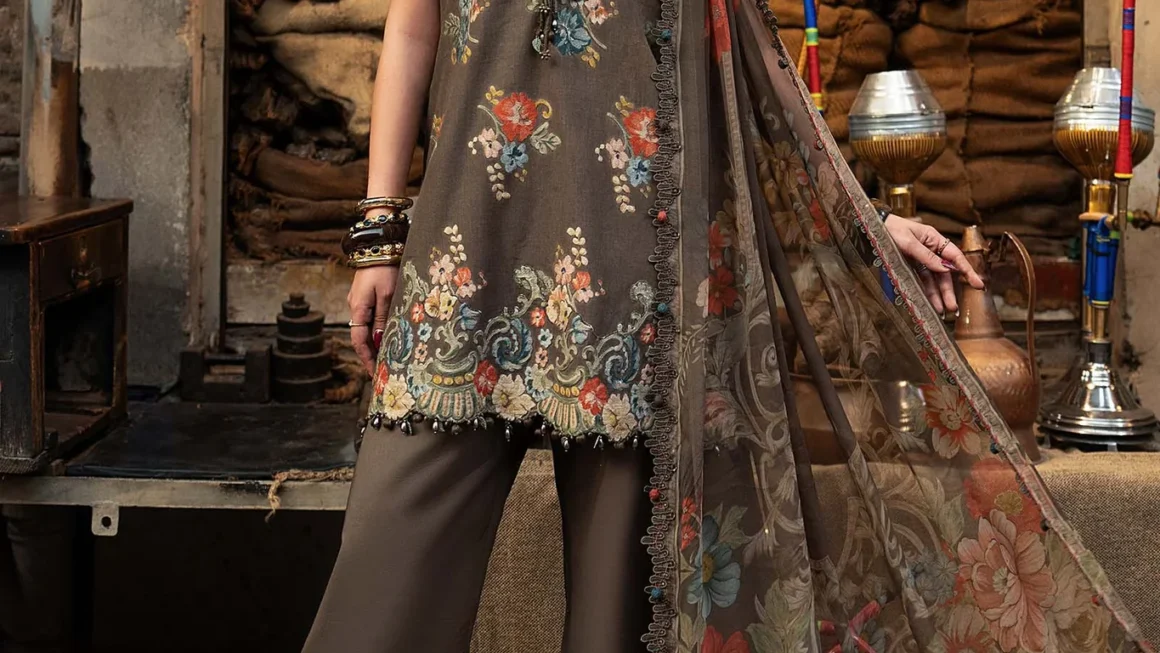
Pakistan clothes often feature delicate fabrics and detailed craftsmanship, including embroidery, zari work, silk, sequins, beads, and decorative threads. Such garments can look beautiful for years when handled with suitable washing, drying, ironing, and storage methods. However, ordinary washing techniques may cause color fading, thread damage, metallic zari dullness, or fabric shrinkage. Proper care starts with identifying the fabric and checking the garment label before selecting a cleaning method. Special attention is especially important for formal wear, wedding dresses, embroidered shalwar kameez, silk dupattas, and heavily decorated outfits that require gentle handling.
Understanding Fabric Before Washing
Different Pakistan clothes require different care methods. Cotton may tolerate careful machine washing, while silk, chiffon, velvet, and heavily embellished fabrics generally need gentler treatment. A garment containing several materials should be treated according to the most delicate component.
Before washing, check:
- Fabric type and care instructions
- Colorfastness
- Embroidery and decorative thread
- Zari, sequins, beads, or stones
- Any stains requiring separate treatment
- Areas with loose stitching or damaged decoration
A small hidden-area color test can help identify whether dye may bleed during washing.
How to Wash Embroidered Clothes Safely
Embroidery can contain cotton, rayon, silk, metallic, or synthetic threads. Strong rubbing can loosen threads and affect the original pattern. Hand washing is often safer for lightly soiled embroidered garments when the care label permits washing.
Fill a clean basin with cool or slightly lukewarm water and add a small amount of mild detergent. Place the garment into the water and allow gentle soaking for a short period. Avoid aggressive rubbing, twisting, or scrubbing around embroidered sections.
For localized stains, gently press the affected area with a soft cloth rather than brushing the embroidery. After washing, rinse carefully until detergent is removed. Excess water should be pressed out gently instead of twisting the garment.
Caring for Zari Work
Zari is commonly used to add a metallic decorative appearance to traditional formal clothing. Gold, silver, and other metallic-looking threads can lose shine when exposed to harsh detergents, excessive moisture, friction, or unsuitable cleaning methods.
Zari garments should be handled with particular care. Avoid bleach, strong stain removers, and prolonged soaking unless the garment manufacturer specifically permits such treatment. Excessive rubbing can flatten or damage decorative threads.
For valuable or heavily embellished clothing, professional dry cleaning may be a safer option. Before sending a garment for cleaning, mention the presence of zari, beads, stones, sequins, or other delicate decoration so the appropriate cleaning process can be considered.
Safe Washing Methods for Silk
Silk is a delicate natural fiber that can react poorly to heat, friction, and strong detergents. Silk clothing should always be checked against the care label before washing.
When hand washing is permitted, cool water and a mild detergent formulated for delicate fabrics are preferable. The garment should be moved gently through the water without vigorous rubbing. Long soaking periods should be avoided because dyes and fabric finishes may be affected.
After rinsing, place the silk garment between clean towels and gently press to remove excess moisture. Avoid wringing. Direct sunlight can also cause fading, so drying should take place in a shaded, well-ventilated area.
Preventing Color Bleeding
Bright colors are common in traditional Pakistani clothing, particularly in festive and formal wear. Deep red, maroon, navy, black, green, and other strong shades may sometimes release excess dye during washing.
A hidden seam can be tested with a damp white cloth. If noticeable color transfers to the cloth, professional cleaning may be more appropriate. Similar colors should not automatically be washed together because different dyes can behave differently.
Cold water is generally preferable when a washable garment is prone to color loss. Hot water can increase the risk of dye bleeding and may also affect certain delicate fibers.
How to Handle Decorative Beads and Sequins
Beads, sequins, pearls, stones, and decorative elements can become loose during washing. Before cleaning, inspect the garment for loose attachments and weak stitching.
A delicate garment bag may provide additional protection when machine washing is specifically permitted by the care label. However, heavily decorated garments are often better suited to gentle hand washing or professional cleaning.
Avoid placing embellished clothing with rough garments, zippers, hooks, or items that could catch the decoration. This simple precaution can reduce pulling and snagging.
Drying Pakistan Clothes Correctly
Drying is an important part of garment care. Hanging wet silk, chiffon, or heavily decorated clothing can place extra weight on seams and cause stretching. Laying delicate garments flat on a clean, dry towel can provide better support.
Direct sunlight should be limited for colorful and delicate garments because ultraviolet exposure may gradually fade dyes. High heat from dryers can also shrink or weaken certain fabrics.
For embroidered and embellished clothing, gentle air drying is generally preferable when the care label allows it.
Ironing Without Damaging Delicate Details
High temperatures can damage silk, synthetic fibers, embroidery, and metallic decoration. Always check the garment label before ironing.
For delicate fabrics, use a low-temperature setting and place a clean pressing cloth between the iron and the garment. Embroidered areas, zari work, beads, and sequins should not receive direct high heat.
Steam can be useful for removing wrinkles from some fabrics, but excessive moisture and heat may affect certain decorative materials. A test on an inconspicuous area is a sensible precaution.
Storing Traditional Clothing
Proper storage helps preserve Pakistan clothes between occasions. Garments should be completely dry before being placed inside a wardrobe or storage container. Moisture can contribute to unpleasant odors, staining, and fabric deterioration.
Fold heavy embroidered garments carefully rather than allowing decorations to carry the weight of the fabric. Acid-free tissue paper can provide an additional protective layer for valuable pieces. Avoid overcrowding a wardrobe because compression can create permanent creases and put pressure on embellishments.
Silk and other delicate garments benefit from breathable storage rather than tightly sealed plastic bags for long-term storage.
Common Cleaning Mistakes to Avoid
Several simple mistakes can shorten the life of traditional clothing:
- Using bleach on colored or embroidered fabric.
- Scrubbing zari or embroidery aggressively.
- Washing silk in very hot water.
- Wringing delicate garments.
- Drying bright clothing under strong direct sunlight.
- Ironing beads, sequins, or metallic decoration directly.
- Storing clothing while slightly damp.
- Mixing delicate garments with rough fabrics during washing.
- Ignoring the manufacturer’s cleaning instructions.
- Treating expensive formal wear like ordinary everyday clothing.
When Professional Cleaning Is Better
Home washing is not suitable for every garment. Wedding dresses, heavily embellished formal wear, vintage pieces, expensive silk outfits, and garments with extensive zari may require specialist cleaning.
Professional cleaners can assess the fabric, decoration, dye stability, and construction before selecting a cleaning method. This is particularly useful when a garment contains several materials that could react differently to water or cleaning chemicals.
Keeping Traditional Clothing Beautiful for Longer
Careful handling can significantly extend the useful life of traditional clothing. Gentle washing, controlled drying, low-temperature ironing, and suitable storage all help preserve fabric quality and decorative details. Stains should also be addressed promptly because old stains can become more difficult to remove.
For valuable Pakistan clothes, keeping the original care label and following its instructions is one of the simplest ways to avoid unnecessary damage. When instructions are unavailable, a professional assessment is safer than experimenting with strong detergents or household stain removers.
Why Filhaal UK Adds Value to Clothing and Fashion Discoveries
Filhaal UK provides a useful platform for discovering information and products connected with everyday lifestyle needs, including clothing and fashion interests. For readers interested in Pakistan clothes, access to relevant information can make it easier to understand traditional fabrics, styles, and garment care requirements. Practical knowledge about embroidery, zari, silk, and other delicate materials helps support better purchasing and maintenance decisions. A combination of useful fashion content and accessible information makes Filhaal UK a relevant destination for readers exploring clothing-related topics while looking for practical guidance that fits modern everyday needs.