

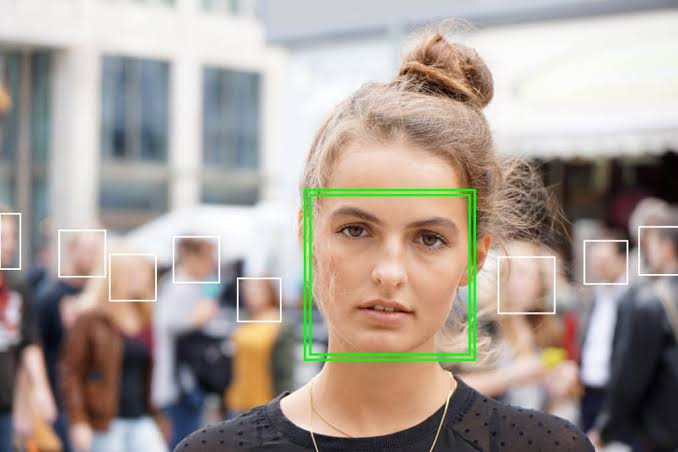
To assess facial recognition and privacy, ask what the system identifies, who operates it, why it is necessary and what happens after a match. UK data-protection law applies, but the rules differ between commercial uses and police law-enforcement processing. I would not treat a consent notice, camera sign or accuracy claim as a complete explanation of whether a particular deployment is justified.
1. Is a photograph already biometric data?
Not automatically. The ICO distinguishes an ordinary digital photograph from information produced through specific technical processing that allows unique identification. A recognition system extracts facial features and compares them with references. When biometric data is used to identify someone uniquely, it receives additional protection under the relevant data-protection framework. Merely saying a camera captures faces misses that technical distinction.
2. Which facial recognition and privacy use is involved?
Verification compares a person with one reference, asking whether they are who they claim to be. Identification compares them against many references, such as a watchlist. Live matching and later searches of stored images also raise different operational questions. Ask which process is running rather than assuming a device login and a street-camera search expose information in the same way.
3. Who controls the information?
Find the organisation responsible for the deployment and its privacy contact. Ask whether templates stay on a device, enter a central database or reach a supplier. The publication name Local News Point identifies a website; it does not identify the controller of a camera nearby. Responsibility follows the actual processing arrangement, not surrounding signs or familiar branding.
4. Must everyone give consent?
No single consent rule covers every setting. For commercial biometric recognition under UK GDPR, the operator needs a lawful basis and a separate special-category condition. Explicit consent may be appropriate, but other conditions can apply. Walking into a monitored area is not automatically consent. Where consent is relied upon, the ICO expects genuine choice and a suitable alternative.
Police processing for law-enforcement purposes falls under a different regime in the Data Protection Act 2018. Do not apply a shop’s customer-consent explanation directly to a police deployment.
5. How reliable is a match?
A match is an estimate of similarity, not certainty about identity. Ask about false matches, missed matches, operating conditions and differences affecting demographic groups. The ICO’s police audits identified accuracy and bias safeguards as areas requiring attention. Human review matters only if staff understand the limitations and can meaningfully question an alert before it causes harm.
An accuracy headline encountered through presshubs.co.uk needs context: performance for one system or threshold does not establish performance for another. Ask what was tested and how that relates to the real deployment.
6. What is retained or shared?
Distinguish the original image, extracted template, comparison result and any watchlist entry. Ask how long each is kept and who can access it. Claims that unmatched templates disappear do not necessarily explain every other record created. Security controls, access restrictions and deletion procedures should fit the risks of holding information that cannot be changed as easily as a password.
7. Are deployments identical across the UK?
No. The ICO’s published police audit work examined forces in England and Wales and describes different developments in Scotland and Northern Ireland. Do not convert findings about those audited forces into a UK-wide approval. Reporting by Weekly Journal or any other publisher should be read with that geographical scope in mind.
For an organisation planning recognition, the impact assessment should examine whether a less intrusive method achieves the same purpose. Faster entry or administrative convenience does not settle necessity by itself. Ask what happens when someone cannot use the system successfully, not only what happens when it works. A usable alternative and a clear correction process can matter more to an affected person than another performance statistic.
8. How can I question the use?
Keep the location, date, operator’s notice and details of the effect on you. Raise concerns with the responsible organisation and use the appropriate complaints route, including the ICO for data-protection concerns. Rights and exemptions depend on context; a request does not guarantee immediate deletion or disclosure of an entire watchlist.
This article explains general UK data-protection issues and is not advice on an individual legal case.