

The Shift Toward Lightweight Construction Materials
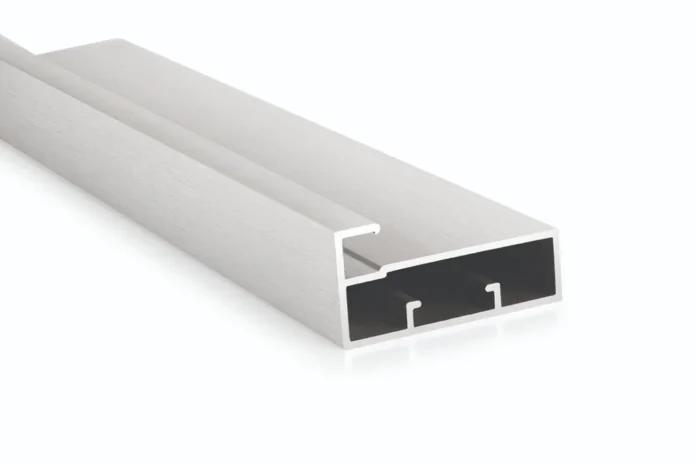
The global construction industry is undergoing a major transformation as developers seek materials that combine strength, efficiency, and sustainability. Traditional heavy materials are gradually being replaced by lighter alternatives that reduce structural load while maintaining performance. Aluminum frame structures are at the forefront of this shift, offering an advanced solution that meets the demands of modern construction. With growing urbanization and tighter project timelines, aluminum frames are becoming a preferred choice for forward-thinking builders.
Superior Strength-to-Weight Ratio
One of the key reasons aluminum frame structures are shaping the future is their exceptional strength-to-weight ratio. Aluminum is significantly lighter than steel but still provides remarkable structural integrity. This allows engineers to design stable structures without excessive weight, reducing stress on foundations and supporting systems. In many Asian and international markets, aluminum frame systems—commonly known as 鋁架—are increasingly used in projects that require both strength and efficiency.
Corrosion Resistance and Long-Term Durability
Durability plays a critical role in construction material selection. Aluminum naturally forms a protective oxide layer that prevents rust and corrosion, even in harsh environments. Unlike steel, aluminum does not require frequent coatings or treatments to maintain its integrity. This makes aluminum frame structures ideal for outdoor applications, coastal regions, and industrial environments. The long-lasting performance of 鋁架 systems significantly reduces maintenance needs and extends the overall lifespan of structures.
Sustainability and Environmental Benefits
Sustainability has become a defining factor in modern construction, and aluminum excels in this area. Aluminum is 100% recyclable and can be reused repeatedly without losing its structural properties. Recycling aluminum also consumes far less energy compared to producing new material. Many aluminum frames are manufactured using recycled content, aligning with green building standards and environmental regulations. The growing use of 鋁架 in eco-friendly projects highlights its contribution to sustainable development.
Design Flexibility and Architectural Freedom
Aluminum frames offer unmatched flexibility in design and fabrication. They can be easily extruded, cut, and customized to suit complex architectural requirements. This allows architects to create modern, minimalist designs with clean lines and open spaces. From modular buildings to exhibition structures, aluminum frame systems support creativity without compromising strength. The precision manufacturing of 鋁架 components also ensures faster installation and consistent quality on site.
Performance in High-Risk and Modern Environments
Aluminum frame structures perform exceptionally well in seismic zones due to their lightweight properties, which reduce inertia during earthquakes. They also support energy-efficient construction when combined with advanced insulation systems. These performance benefits make aluminum frames a future-ready solution for smart buildings and modern infrastructure. As construction continues to evolve, 鋁架 technology will remain central to lightweight, resilient, and efficient building practices.

