

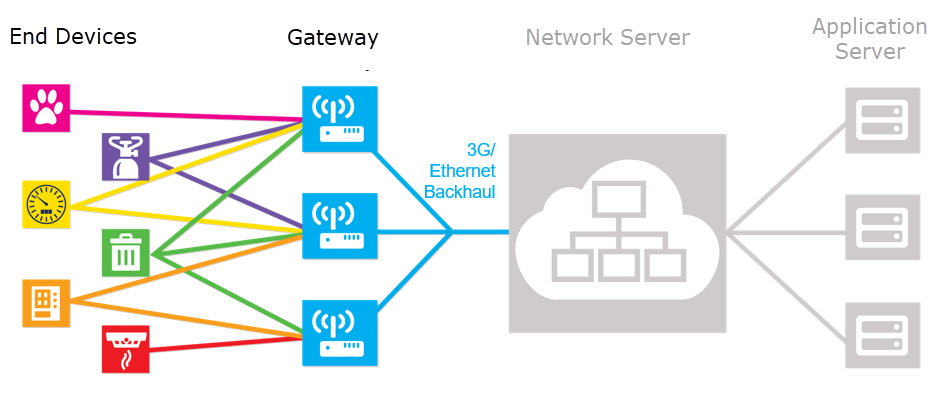
Backhaul network architecture system design and connectivity structure form the critical backbone of modern communication networks, linking access points to core infrastructures with high reliability and speed. In my 15 years leading network engineering teams, I’ve seen how the success or failure of a network often hinges on the robustness of its backhaul design. The reality is, getting this architecture right involves more than theoretical layouts; it demands practical integration of legacy systems, strategic use of technologies, and an adaptable connectivity framework that can evolve alongside market and technology shifts.
The Core Role of Backhaul Network Architecture
Backhaul networks serve as the vital link between access networks—like local cell sites or broadband towers—and the central core infrastructure that processes and routes traffic. The design of backhaul architecture must accommodate high data volumes, diverse tech such as fibre optics, microwave links, and IP/MPLS protocols, all while maintaining low latency and consistent throughput. From a practical standpoint, the backbone is often underestimated until capacity issues or outages reveal its significance. The data tells us that even minor inefficiencies here multiply into major performance degradation downstream, particularly under peak loads.
Integrating Legacy and Modern Systems in Backhaul Design
One challenge I’ve faced repeatedly is handling networks built over many years that mix cutting-edge and older equipment. Early in my career, we tried a full replacement approach that backfired due to downtime and budget overruns. What works better is phased integration—employing compatibility layers and virtualization to let legacy systems communicate with modern platforms without disrupting service. The industry has evolved to embrace hybrid structures, where backhaul systems use encryption protocols such as MACsec for security without sacrificing speed, and modular upgrades prevent bottlenecks before they arise. This method also aligns with practical budget cycles that don’t allow massive upfront investments.
Designing Connectivity Structures for Scalability and Security
Connectivity in backhaul systems isn’t just about physical links; it’s about configuring network layers for resilience and security. In the real world, the 80/20 rule applies: a small fraction of network segments often carry the majority of traffic and become single points of failure if not designed thoughtfully. Segmenting networks with VLANs and restricting access through role-based controls are proven ways to contain failures or breaches. Continuous monitoring tools, like anomaly detection platforms, are crucial—because no design is perfect, and quick response is what separates nuisance from catastrophe. From my experience, investing in these measures upfront saves months of costly troubleshooting later.
Real-World Lessons: What Works and What Doesn’t
I once worked with a client whose backhaul was mostly microwave-based and poorly documented. Attempts to retrofit a fibre optic system without understanding the existing traffic patterns led to mismatches and intermittent outages. That failure taught me to always start a redesign project with a thorough audit and traffic analysis. What works is mapping out a connectivity framework that anticipates growth—whether it’s an influx of IoT devices or demand spikes during events—alongside dependable failover mechanisms. Also, practical experience shows that embracing multipath protocols like MPTCP can effectively utilise multiple backhaul links, boosting bandwidth without expensive hardware changes.
Future-Proofing Backhaul Network Systems
Back in 2018, few venues anticipated the explosion of demand for ultra-reliable, high-speed connections driven by 5G and edge computing. Now, the reality is that backhaul architecture must be agile. Integrating newer technologies like mmWave and IAB (Integrated Access and Backhaul) is essential to support dynamic environments such as smart cities or industrial campuses. What I’ve learned is that no single solution fits all; network architects must evaluate site-specific needs, continuously update threat models, and prepare for evolving wireless spectrum regulations. The best systems today are those that combine robust physical topology with flexible software-driven controls.
FAQs
What is backhaul network architecture?
Backhaul network architecture refers to the design and configuration of the systems that connect local access networks to the central core network, enabling data transmission across wide areas.
Why is backhaul important for connectivity?
It serves as the backbone that carries aggregated traffic from multiple access points, ensuring data reaches its destination reliably and efficiently.
How do legacy systems affect backhaul design?
Legacy systems, if not integrated properly, can limit performance and increase complexity, requiring phased upgrades and compatibility layers for smooth operation.
What technologies are common in backhaul networks?
Common technologies include fibre optics, microwave links, IP/MPLS routing, and increasingly, mmWave and Integrated Access and Backhaul (IAB).
How can backhaul networks be secured?
Security measures include encryption at layer 2 using MACsec, network segmentation, role-based access control, and continuous traffic monitoring.
What are the challenges of scaling backhaul networks?
Scaling challenges include managing bandwidth limitations, avoiding single points of failure, and ensuring the system supports future traffic demands without disruptions.
What is MPTCP and why is it used?
Multipath TCP (MPTCP) allows the use of multiple network paths simultaneously, increasing bandwidth and resilience in backhaul connections.
How often should backhaul infrastructure be upgraded?
Upgrades depend on traffic growth and technology advancements but a phased approach every few years aligned with business needs is practical.
What role does monitoring play in backhaul networks?
Monitoring detects anomalies early, enabling fast response to faults or attacks, minimizing downtime and data loss.
How is 5G impacting backhaul design?
5G increases demand for higher capacity and lower latency, pushing for new technologies like mmWave and more distributed, flexible backhaul systems.